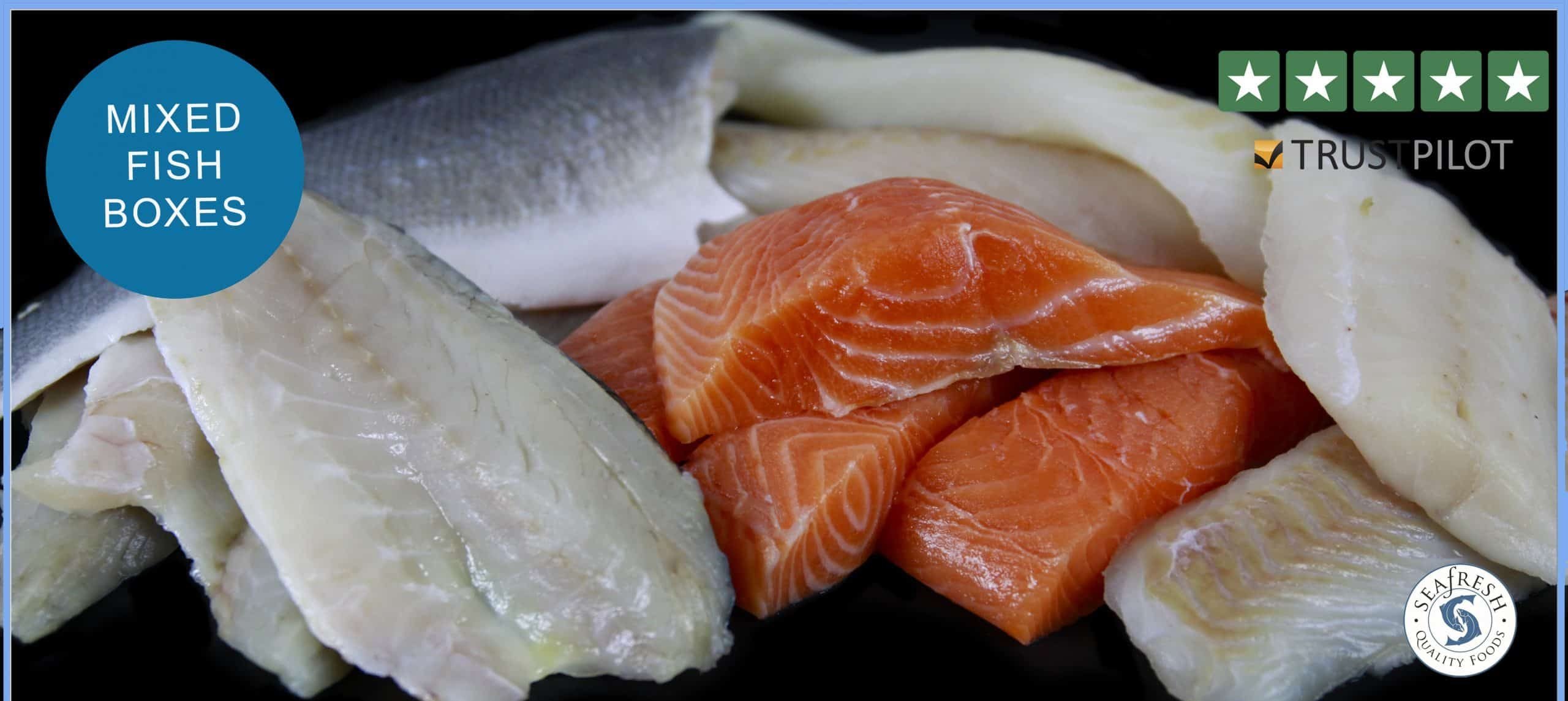
Ahoy, seafood lovers! When you want to enjoy fresh seafood at home, you don’t have to go fishing or trawling the seas – frozen fish is the way to go. Gone are the days of worrying about ‘freshness’ – when you choose frozen, you know you’re getting seafood that’s just as tasty and high-quality as the seafood you get from a fishmonger or restaurant. In this post, we’re going to explore the virtues of frozen fish, from the convenience of shopping for it, to cooking it, and everything in between – so grab a fillet and let’s get started!
Quick Recap of Key Points
You can buy frozen fish from several grocery stores and supermarkets. You might also want to check out local fish markets, as they will likely have a wider selection of fresh and frozen seafood products.
Why Buy Frozen Fish?
When considering bringing seafood into the home, frozen fish often comes up in conversation. There are numerous benefits to buying frozen fish versus fresh, both to the consumer and to the environment. Being able to purchase seafood right from the store’s freezer has its advantages as well as drawbacks. It is important to be informed before making an informed decision when deciding between buying frozen or fresh fish.
Buying pre-frozen fish can often ensure less expensive quality fish than if found in a market or at the dock. This provides customers with access to fresh seafood year round regardless of what may be available seasonally or where it was caught. However, buying frozen does not always guarantee a quality product. Potential buyers should be aware of how long the fish has been frozen for and of any signs that might indicate spoilage such as discoloration, off-smell or formation of ice crystals on the surface of the fillet.
Frozen fish can also reduce food waste, especially if meals are planned ahead of time and properly portioned so only what is needed is thawed. Meanwhile, fresh fish must be cooked quickly after being purchased because it incorporates more risk of spoilage due to lack of freezing. In addition, there is no guarantee that the “fresh” product has been stored in optimum temperatures since leaving its place of origin and could cause foodborne illnesses if stored incorrectly in transit or during sale at the counter.
At this point, it’s clear that there are pros and cons to both buying fresh and frozen seafood, but overall the financial savings (by taking advantage of discounts available on frozen products) and environmental benefits (lessening food waste) outweigh those associated with buying fresh options. With these advantages in mind, let’s explore further into the benefits of buying frozen fish.
- According to a 2018 study, the global frozen fish market was expected to reach 60.1 billion USD by 2023.
- The same study found that the Asia-Pacific region accounted for the largest share (31.1%) of the global frozen fish market in 2016 due to high demand for convenience food, especially in Japan and China.
- A 2016 report found that the United States accounted for 18% of the world’s frozen seafood exports, primarily consisting of crab, shrimp, cod, and salmon.
Benefits of Buying Frozen Fish
Buying frozen fish has its advantages over buying fresh fish. For many people, the primary benefit is convenience. It can be difficult to find a reliable source of high-quality fresh fish, let alone the time needed to cook and prepare it once it’s acquired. However, with frozen fish, it’s easy to purchase from supermarkets and many stores offer them in individual portions, ready to defrost and cook. This eliminates the need for prior knowledge or experience in cooking and preparing seafood.
Frozen fish also generally has a longer shelf life than fresh fish. This can give consumers better value for their money by allowing for bulk purchases that don’t expire as quickly as some other types of seafood. The flash freezing process also helps preserve more of the nutritional content of the fish compared to fresh fish because fewer nutrients are lost between catching and freezing times.
While there are clearly some benefits to purchasing frozen fish, some people may prefer fresh due to its superior taste and texture. Fish purchased at a market may have been previously frozen before being thawed and put on display, which could mean that the quality isn’t as great as you’d hope. Additionally, although some nutrients may also be preserved in frozen fish, others such as omega 3 fatty acids can actually be lost due to oxidation caused by light exposure during storage.
Overall, buying frozen fish is convenient and allows for cost-effective meal planning while still providing good nutritional value. In the next section we’ll look at what options are available when it comes to finding quality frozen fish and where best to purchase them.
Where Can You Buy Frozen Fish?
When it comes to buying frozen fish, you have a few different options. You can go to the supermarket and purchase it from their frozen goods section, or you can find a fishmonger who specialises in seafood and buy directly from them. Each option has its own advantages and disadvantages.
When it comes to shopping at the supermarket, convenience is usually the name of the game. Supermarkets almost always stock a variety of different frozen fish products, so you’ll have plenty of choices. However, the downside is that you don’t always know exactly how fresh the fish is or where it came from. That said, if all you need is a quick dinner solution, this might be the way to go.
If you want higher-quality frozen fish, then your best bet is to shop at a fishmonger. This gives you access to fresher ingredients that are sustainably sourced. But along with these advantages come drawbacks as well: The selection at most fishmongers is more limited than supermarkets, plus it might not necessarily be close by and could cost more money.
In the end, both supermarkets and fishmongers have pros and cons when it comes to buying frozen fish and only you can decide which one fits your needs best. Next up we’ll discuss the specific differences between shopping for frozen fish in supermarkets versus going directly to a fishmonger.
Supermarkets vs. Fishmongers
When shopping for frozen fish, one has to decide whether to visit a fishmonger or a supermarket. Both offer a range of options with their own benefits and drawbacks.
A local fishmonger is likely to have higher quality seafood, as the products are fresher and more carefully monitored than in supermarkets, which tend to purchase in bulk from large fish suppliers where quality is not always consistent. In addition, buying from a local fishmonger helps support your local economy and can provide customers with expert advice based on decades of experience.
On the other hand, supermarkets typically have a wider selection of frozen fishes. This includes less common species like tilapia, Atlantic cod, fresh-frozen salmon fillets and shrimp compared to what local retailers often carry. As such, supermarkets may be the better choice for those looking for something special or hard to find. Moreover, larger stores usually feature lower prices that are more cost-effective for seafood lovers on a budget.
In conclusion, both supermarkets and fishmongers offer different advantages that must be weighed carefully when sourcing for frozen fish. With that being said, the next section will discuss choosing the right frozen fish for optimal quality and deliciousness at home.
Choosing the Right Frozen Fish
When it comes to purchasing frozen fish, it is important to choose a product that is of the highest quality. This can be done by making careful decisions while shopping, such as always checking labels and ensuring that the product was properly stored after being caught and frozen. In some cases, customers may even opt for more expensive varieties of frozen fish as they tend to have been more carefully handled during packaging and storage.
On the other hand, some customers may feel that purchasing the cheapest variety of frozen fish is a much better option in terms of budgeting. These individuals may not worry about the shelf-life or freshness of their frozen seafood purchase and would rather focus on the most cost-effective option available. While this approach may be acceptable for those who are looking for a quick way to save money on their grocery bill, it might come with risks in terms of food safety and quality.
Ultimately, choosing the right frozen fish depends on the priorities of each individual consumer. Customers who put a premium on freshness, flavour and quality should conduct thorough research on products before buying them. This includes ensuring that frozen fish was handled properly and is relatively fresh despite being in a frozen state. On the other hand, shoppers who want to save cost should compare different prices while considering factors such as labelling, expiration dates and shelf-life when deciding which product to buy.
Now that we’ve discussed how to choose the right frozen fish, let’s take a closer look at some other important factors such as quality, label, shelf-life and packaging in our next section.
Quality, Label, Shelf-Life and Packaging
The quality, labelling, shelf-life and packaging of frozen fish are important considerations to make when buying frozen seafood. The quality of the fish is largely dependent on where it was sourced from and how it was handled before it was frozen. For instance, if the seafood comes from a reliable source and is handled properly (such as by being bled and quickly frozen), the quality of the fish can remain high.
Labelling is also important, as any information about how it was processed and its sources should be prominently displayed on any product. This will help consumers easily identify the source and handle of their seafood. Additionally, an expiration date should be clearly labelled, allowing customers to keep track of their product’s shelf-life. If this information is not readily available, there may be some cause for concern when purchasing frozen fish.
When it comes to packaging, one argument suggests that vacuum-sealed or less porous packages are optimal to maintain freshness. While this has been proven beneficial in some cases, frozen seafood can still remain in good condition when packaged in plastic bags or other plain packaging materials. Additionally, many argue that organic products should be preferred over non-organic items due to their lack of preservatives and potentially healthier qualities. However, organic labelling does not always promise superior quality or guaranteed freshness for frozen seafood.
Therefore, customers should be aware and vigilant when monitoring factors such as label accuracy, shelf-life and packaging before making their purchase.
Now that we have explored the topic of quality, labelling, shelf-life and packaging for frozen fish, let us continue our discussion by exploring the best methods for preparing and cooking these items in our next section.
Preparing and Cooking Frozen Fish
When exploring the world of frozen fish, there is quite a debate on whether or not to thaw before cooking. Many experts suggest that thawing prior to cooking results in a better-quality product, whereas others claim that cooking from frozen is just as good and more convenient.
Those who are in favour of thawing frozen fish before cooking argue that it helps enhance the flavour baked, grilled, or sautéed fish due to the gradual release of moisture during the thawing process, which can then be used in marinades or sauces. Additionally, their claims extend to structural improvements such as flakiness since the fillet won’t solidify and shrink like it would when cooked straight from the freezer.
There are also advocates for immediately cooking frozen fish without ever having to thaw it first. This group of people argues that cooking frozen fish straight out of the package retains more heat and moisture than if it were previously thawed, resulting in juicier and tenderer fillets. There are also some health-related benefits associated with cooking frozen fish, as the FDA recommends avoiding any cross-contamination between raw and cooked ingredients when dealing with food safety.
At the end of the day, whatever method you choose is up to you –– there are merits to both sides. But no matter your preference, instructions for preparing and cooking frozen fish provide an easy way to enjoy fresh seafood at home.
When following instructions for preparing and cooking frozen fish, it is important to ensure proper storage and handling practises throughout every step of the process. In the next section, we will discuss crucial guidelines for preparing and cooking instructions as well as tips on safe handling of these products.
Preparing and Cooking Instructions
When it comes to preparing and cooking frozen fish, there are several important instructions to keep in mind. First, it is important to make sure that all cooking utensils, work surfaces, and hands are clean before handling the fish. Additionally, it’s advised to use a food thermometer to ensure that the fish reaches an internal temperature of 145°F or higher when cooking.
In terms of preparation, some argue that frozen fish should be thawed in the refrigerator for eight hours or overnight before cooking. Others believe that running cold water over the fish for twenty minutes should be enough to thaw it. There are pros and cons to both methods. Thawing in the fridge helps keep bacteria levels low, but can take up time and requires advanced planning in order for the desired meal to be prepared on time. On the other hand, if thawing with cold water is done correctly and with caution (disposing of any melting ice during preparation), it can save time while still producing a safe end product.
Ultimately, whether one chooses to thaw their frozen fish overnight or opts for a faster method with water is up to individual preference. No matter which method is chosen however, caution should always be taken when preparing and cooking frozen fish.
Now that we have explored proper instructions for preparing and cooking frozen fish, let us move onto how nutritionists recommend incorporating this convenient seafood into a balanced diet.
Nutritionists Recommend Frozen Fish
Nutritionists recommend frozen fish for a variety of reasons. It is often perceived as being healthier than fresh or canned fish since it is free from preservatives and generally packed with more vitamins and minerals. High-quality frozen fish is generally caught at the peak of freshness, meaning it can retain more nutrients than if it were consumed right away. Additionally, frozen fish offers convenience, as many people have busy schedules and lack the time to go grocery shopping on a regular basis. With the ability to buy high-quality pre-packaged and frozen fish that can last up to six months in the freezer, having access to fresh seafood at all times has never been easier.
On the other hand, some nutritionists argue that freezing decreases Omega-3 fatty acid levels in fish, which may reduce its health benefits. However, studies have shown that the levels of Omega-3s do not decrease significantly in most frozen products. All in all, nutritionists seem to agree that frozen fish provides a great way for people to enjoy seafood in their diet without compromising taste or nutritional value.
Leading into the next section about “Comparing Fresh and Frozen Fish”, consumers should be aware of the differences between these types of seafood – both nutritionally as well as in terms of taste and texture – before deciding which option is best for them.
Crucial Points
Nutritionists recommend frozen fish for a variety of reasons, including convenience and the fact that it is often higher in vitamins and minerals than fresh or canned fish. While some nutritionists argue that freezing decreases Omega-3 fatty acid levels, studies have shown that this is not true in most products. Bothfresh and frozen fish offer unique benefits, so it is important for consumers to compare them nutritionally as well as in terms of taste and texture before deciding which one is best for them.
Comparing Fresh and Frozen Fish
The debate between purchasing fresh fish and frozen fish is one that has been ongoing for some time. While it may seem like there’s no competition, when comparing the two the answer isn’t always so clear cut.
One of the most common misconceptions about frozen fish is that it isn’t as healthy or has fewer nutrients than fresh fish. Unfortunately, this isn’t true. In fact, freezing seafood can actually help retain more vitamins and minerals than fresh seafood if frozen promptly and stored properly. Additionally, freezing fish makes seafood more shelf stable and prevents spoilage before consumption.
In terms of taste and quality, one could argue that fresh fish often has a superior flavour due to its fresher ingredients. Fresh seafood will not only have a better aroma but will also be firmer in texture compared to frozen. However, flavour can also come down to the fisherman themselves and their ability to handle the catch correctly as well as the amount of time it takes for a catch to reach your dinner table.
Ultimately, both fresh and frozen fish can provide tasty meals if handled properly with care and skill. However, consider what matters more: convenience or quality? Those looking for a convenient option may favour frozen while those seeking higher quality seafood may prefer fresh. It really comes down to what works best for you in terms of budget, lifestyle, and dietary needs.
To conclude on which type of fish is superior between fresh and frozen would be nearly impossible given all the factors considered including quality, nutrient retention, convenience, cost-effectiveness and most importantly personal preference. But before making any decisions on what type of seafood to purchase for dinner or stock up on for future meals please be sure to review your options thoroughly.
Conclusion: In the following section we will dive deeper into this debate by evaluating why people choose either option when stocking up on their weekly seafood needs by analysing price points and health benefits associated based on variety selection.
Conclusion
In conclusion, frozen fish can be a convenient and budget-friendly way to enjoy fresh seafood at home. Frozen fish is often an excellent choice due to its longer shelf life and more stable pricing than fresh fish, which serves to make meal planning easier. The freezing process also helps maintain the flavour and texture of the fish for a long period of time. Additionally, frozen fish is typically a healthy option, as the flash-freezing process locks in much of the naturally occurring nutrients otherwise lost when fresh fish is exposed to air.
On the other hand, there are some potential downsides to buying frozen fish as opposed to fresh. Many people may prefer the taste of fresh over frozen fish, noting that in many cases fresh fish has a better texture and taste than frozen product. Moreover, unless proper techniques are utilised in thawing frozen fish prior to cooking, it can result in a less-than-desirable end product. Therefore, if you opt for frozen seafood, take extra care when defrosting it before cooking so you can get the most out of your meal.
All things considered, purchasing frozen seafood is an excellent option for those looking to enjoy their favourite seafood dishes while on a limited budget. Just remember to be mindful of safe thawing practicesd that way you can enjoy all the delicious health benefits of eating your favourite seafood dishes without breaking the bank.
Common Questions and Explanations
Are there any special considerations when using frozen fish?
Yes, there are some special considerations when using frozen fish. The most important consideration is to thaw the fish properly upon removing it from the freezer. Never thaw fish at room temperature as this can allow harmful bacteria to grow. Instead, thaw in the fridge or submerge the sealed package in cold water until it is just defrosted. Additionally, once defrosted, prepare and eat the fish within a day or two as frozen fish can spoil quickly while still in its raw state. Lastly, when cooking frozen fish it is important to avoid overcooking, since it can already be cooked before freezing. To ensure that your fish comes out perfectly cooked, be sure to check its internal temperature with a digital thermometer. Following these few simple steps should give you delicious and safe meals with frozen fish every time!
What are the top tips for cooking frozen fish?
1. Make sure to always check the expiration date before cooking frozen fish – expired fish can be unsafe to eat and may not taste as delicious.
2. When thawing frozen fish, do so in the refrigerator or use cold water from the tap. Reheat the thawed fish until it’s steaming hot all the way through to ensure food safety.
3. Use low-temperature cooking methods for frozen fish, such as poaching, steaming, slow roasting or grilling, as these will preserve its flavour better than high-temperature cooking methods like pan-frying or baking.
4. To prevent sticking and ensure even cooking, coat your frozen fish with a thin layer of oil prior to baking or pan-frying.
5. For maximum flavour and moisture retention, consider marinating your frozen fish in herbs and other spices before cooking – although beware that this will add time to the preparation process.
6. Don’t forget to preheat the oven fully before baking frozen fish – a cold oven will cause uneven cooking and make your dish dry out quickly.
What are the best methods for thawing frozen fish?
The best methods for thawing frozen fish depend on the type and quantity of the fish you’re preparing. Generally, there are three main methods: refrigeration, cold water, or microwave thawing.
Refrigerator Thawing: This is perhaps the most reliable way of thawing frozen fish. The process starts by taking out a frozen fillet or whole fish, placed it in a shallow pan, and then right into the refrigerator so that it could slowly begin to thaw during the night. This method is highly recommended if you’ve got time to spare since it usually takes several hours before your fish is ready to be cooked.
Cold-Water Thawing: Cold-water thawing is one of the fastest methods to defrost fish. Under cold running water, place your frozen fish in a resealable plastic bag that’s been submerged in the ice-cold water for about 20 minutes (or up until it can be cut easily with a knife). Make sure to keep an eye on your fish since if left for too long it can begin to cook rather than just thaw. Also, change the cold water every 10 minutes so that it stays effective at thawing your fish.
Microwave Thawing: If you’re short on time, then microwaving frozen fish can become a valid option. To avoid overcooking, place your frozen item on a plate and set your microwave to ‘defrost’ mode so that you can monitor how quickly the meat softens up – When nearly all of your chunk has softened up and any bigger ice crystals are gone, take out your plate and make sure that no hotspots are left inside from where heat may have built up during its defrosting period.
Whichever option you choose, make sure to always start with a very clean preparation surface area so as to avoid cross contamination and ensure food safety!